What Are The Dangers Of High Voltage?
Jun 15, 2025
High voltage danger mainly refers to the fatal injury or catastrophic consequences that may be caused when a person or an object approaches a high voltage charged body. The following are the main types, hazards and related scenarios of high voltage danger:
1. Direct electric shock injury
Principle: When a person directly contacts a high voltage charged body, the current passes through the body and causes organ damage.
Hazard manifestations:
Cardiac arrest: High voltage current can instantly destroy the electrophysiological activity of the heart, leading to ventricular fibrillation (the most common cause of death).
Organ burns:
When the current passes through the body, Joule heat is generated, causing burns to blood vessels, nerves, muscles and even bones (internal damage may be more serious than the surface of the body).
Typical case: Limbs need to be amputated due to high temperature carbonization, or internal organs rupture and bleed.
Respiratory arrest: The current may paralyze the respiratory center or chest muscles, leading to suffocation.
Common scenarios:
Inadvertently touching uninsulated high voltage wires (such as climbing poles and touching aging lines).
Unauthorized opening of high voltage distribution boxes and transformer casings.
2. Arc discharge injury (indirect contact)
Principle: High voltage electricity breaks through the air to form an arc ("electric spark"), and the current is transmitted to the human body through the arc (no direct contact is required).
Hazard manifestations:
Arc burns:
The arc temperature can reach thousands of degrees Celsius, instantly causing large-area skin and mucous membrane burns (more serious than flame burns).
It may cause respiratory burns (inhalation of gases produced by high-temperature arcs), leading to suffocation.
Shock wave injury: The energy released by the arc produces air waves, which can lift people off or hit objects, causing fractures, concussions, etc.
Clothing burning: The arc may ignite clothing, aggravating the injury (especially in flammable and explosive environments, the risk is higher).
Safety distance requirements (must be strictly observed):
Voltage level Minimum safety distance (human body and charged body)
10kV ≥0.7 meters
110kV ≥1.5 meters
220kV ≥3 meters
500kV ≥5 meters
(Data source: "Electric Power Safety Work Regulations")
III. Step voltage electric shock
Principle: After the high-voltage wire falls to the ground, an electric field is formed with the landing point as the center. The greater the distance between the two feet, the greater the potential difference (voltage), and the current passes through the legs to cause damage.
Hazard manifestations:
Muscle spasms in the legs make it impossible to move, and even after falling, the current passes through the torso (from hands to feet or heart), causing fatal electric shock.
Even if there is no direct contact with the wire, it is still possible to be hit within 8-10 meters of the landing point (the higher the voltage, the greater the danger range).
Typical scenarios:
Typhoons and heavy rains cause high-voltage lines to break and fall to the ground.
Outdoor construction damages underground high-voltage cables, and the ground is charged.
4. Secondary disasters caused by equipment failure
Explosion and fire:
When high-voltage equipment (such as transformers and capacitors) is short-circuited or overloaded, it may explode due to electric arcs or high temperatures, releasing toxic gases (such as sulfur hexafluoride decomposition products) or igniting surrounding combustibles (such as oil and gas, vegetation).
Case: Substation explosion causes damage to surrounding buildings or forest fires.
Electromagnetic radiation impact:
Long-term close contact with ultra-high voltage lines (such as above 500kV) may produce electromagnetic induction, and the impact on human health (such as nervous system and cardiovascular) is controversial, but international standards still recommend staying away.
V. High-risk risks in special scenarios
Humid environment:
The ground conductivity is enhanced in rainy days and waterlogged areas, and the risk of step voltage is significantly increased (such as leakage of street light poles and waterlogged underground cable wells).
Aerial work:
When construction workers and power maintenance personnel work near high-voltage lines, their tools or bodies may accidentally touch the lines, causing mass casualties.
Urban public facilities:
Aging high-voltage cables and ungrounded street lights/billboard brackets may become "invisible killers" (such as the "electrocution" incidents commonly seen in the news).
VI. How to avoid high-voltage dangers?
1. Outdoor scenes:
Stay away from high-voltage poles, substations, and iron towers. It is forbidden to fish, fly kites, or set up tents under high-voltage lines.
Stop immediately if you find a fallen wire, take a photo with your mobile phone to mark the location, then go around 20 meters away and call the power repair phone (such as State Grid 95598).
Avoid getting close to large trees and metal objects (which may become lightning conductors) on thunderstorm days.
2. Indoor and industrial scenes:
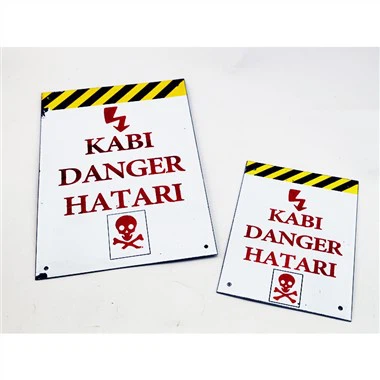
It is forbidden to operate high-voltage distribution cabinets without authorization, and non-professionals are not allowed to enter rooms or areas marked with "high voltage danger".
Enterprises need to regularly maintain high-voltage equipment, set up double insulation and leakage protection devices, and provide employees with first aid training for electric shock (such as cardiopulmonary resuscitation CPR).
3. Emergency treatment:
If someone is electrocuted, it is absolutely forbidden to pull directly with your hands! The power supply should be cut off immediately (such as turning off the switch), or the wires should be pulled away with a dry wooden stick or plastic stick.
When calling 120, explain the "high voltage electric shock" situation and remind medical staff to carry anti-electric equipment.
Summary
The core characteristics of high voltage danger are "high mortality rate and irreversible damage". Its threat not only comes from direct contact, but also may cause damage through hidden means such as arc and step voltage. In daily life, keeping awe of any area marked with the "high voltage danger" sign and keeping a safe distance are the key to avoiding tragedy. In particular, children should be educated to recognize warning symbols and stay away from power facilities - prevention is always more important than first aid.