Application And Production Of Metal Aluminum Signs
Mar 22, 2024
Aluminum signage refers to plates made primarily of aluminum material, typically using printing or carving techniques to directly print or carve text, patterns, and other information onto aluminum plates, forming products with indicative, warning, or decorative properties.
If you have a procurement plan for aluminum signs, please contact our manufacturer.
We will customize the perfect sign for you.

Next, this article will provide you with a detailed introduction to aluminum signage, providing a comprehensive understanding of aluminum signage.
The characteristics of aluminum signs:
- Strong Heat Resistance.
Aluminum signs have good heat resistance and can maintain their stability and readability even in high temperature environments. Therefore, in some places that need to withstand high temperature environments, such as factories, workshops, etc., aluminum signage is an ideal choice.
- Corrosion Resistance.
Aluminum signs have excellent corrosion resistance, without deformation, rusting, fading, high-end appearance texture, good smoothness, and can withstand various weather conditions without deformation or scratches due to external friction, impact, etc. It can be used for a long time in indoor and outdoor environments without being affected.
- Easy To Process.
Aluminum signs can be processed in various ways, including extrusion, cutting, printing, carving, stamping, etc., to create signs of different shapes and sizes.
- High cost-effectiveness.
The production cost of aluminum signs is relatively low, and the material is lightweight, easy to handle and install, with a long service life, saving replacement costs.
Application areas of aluminum signs:
- Industrial Field.
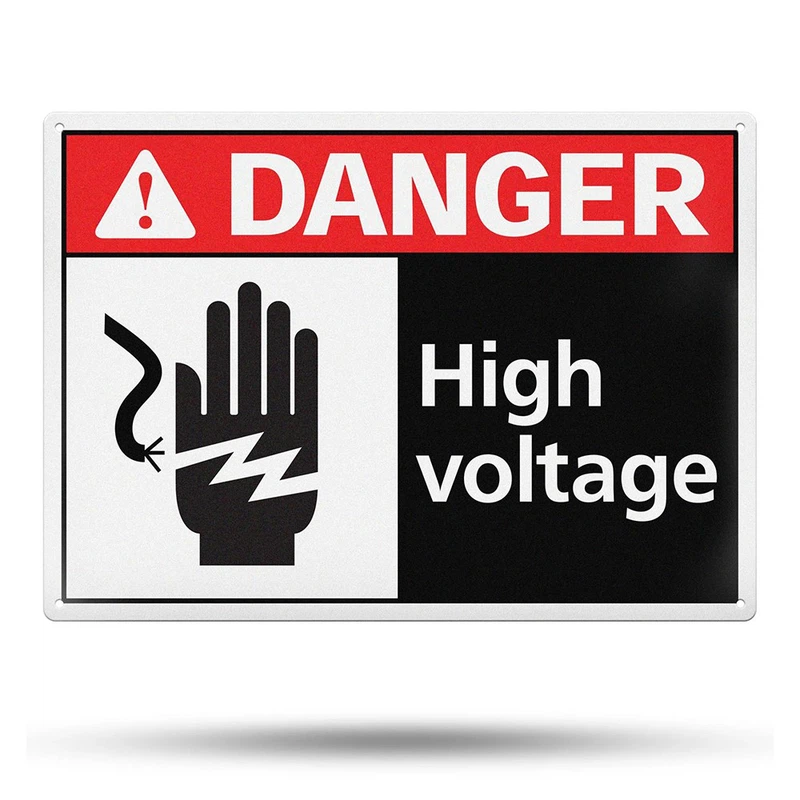
Metal aluminum signs are commonly used as safety signs in industrial equipment, factories, and other places. For example, warning signs, prohibition signs, indicator signs, etc. for equipment, machinery, pipelines, etc; At the same time, in some special environments, such as high temperatures and highly corrosive places, compared to traditional materials, metal aluminum signs have better weather resistance and can withstand various harsh external environments.
- In the field of transportation.
Traffic signs, road signs, road signs, community directional signs, road name signs, door plates, and vehicle license plates can all be made of aluminum materials, which have strong weather resistance and good heat resistance, and can maintain long-term readability in outdoor environments.

- Commercial Field
Aluminum signage is also widely used in the commercial field. Signs at the entrance of shopping malls, store signs, advertising boards, rental signs, etc. can all be made of aluminum materials, which have the characteristics of beauty and durability.
- Public places.
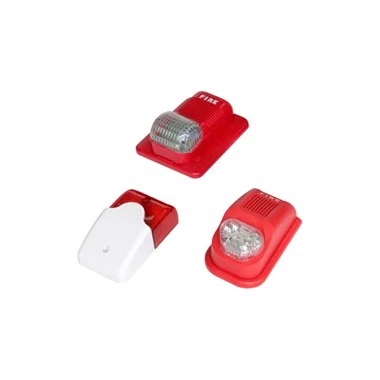
In public places, metal aluminum signs are widely used for public restroom signs, 24-hour monitoring signs, emergency exit signs, fire equipment signs, toll signs, etc. Its high-temperature stability can ensure the readability of information in emergency situations such as fires.

Guidelines for the production of aluminum signage
1. Material preparation: Choose a suitable metal aluminum plate as the material for the label, with common thicknesses such as 0.5mm, 1.0mm, etc., which can also be customized. Ensure that the material surface is flat, free of scratches and oil stains.
2. Design identification content: Design identification content according to actual needs, including text, patterns, colors, etc. The text should be accurate and clear, and the pattern should be concise and clear.
3. Production process: Use laser cutting or CNC cutting techniques to cut the metal aluminum plate into designated size plates. Then, the content is printed on the metal aluminum plate through processes such as screen printing, spraying, and printing.
4. Surface treatment: Surface treatment is carried out on metal aluminum plates, common treatment methods include anodizing, spraying, etc. Surface treatment can improve the corrosion resistance and appearance quality of signage.
5. Fixed installation: Choose a suitable installation method to fix the sign in the required position, such as screw fixation, adhesive fixation, etc. Ensure that the identification is firm and reliable.
6. Regular inspection and maintenance: Regularly check the use status of the sign. If there is any damage or fading, it should be replaced or repaired in a timely manner to ensure the long-lasting effectiveness of the sign.
Overall, aluminum signage has a wide range of applications in various fields, and its characteristics of beauty, durability, practicality, environmental protection, and health are widely recognized, providing convenience and added value for enterprises and society. By using the correct production and usage methods, it is possible to better ensure the safety of industrial production and public places.